

The concept of home has evolved from a simple shelter into a reflection of our personal values and a sanctuary for our well-being. Modern home design is no longer just about aesthetics; it is about creating a space that functions seamlessly while providing comfort and security. Whether you are embarking on a major renovation or making small, meaningful updates, the goal remains the same: to build an environment that supports your lifestyle and stands the test of time. A well-designed home balances the external structural integrity with internal beauty, ensuring that every room serves a purpose and every architectural choice adds value.
Strengthening The External Envelope For Long Term Security
The exterior of a home is its first line of defense against the elements. While interior decor often gets the most attention, the structural health of the building’s shell is what protects your investment. A durable roof and high-quality siding are essential for preventing moisture intrusion, which can lead to costly internal damage and mold growth. When the exterior is sound, the interior can remain beautiful and safe for decades.
Choosing the best siding installer is a critical step in maintaining curb appeal and thermal efficiency. Modern siding materials offer incredible insulation properties, helping to regulate indoor temperatures and reduce energy bills. Whether you prefer the classic look of cedar or the low-maintenance benefits of vinyl or fiber cement, a professional installation ensures that the boards are properly sealed and vented to prevent rot.
The roof is perhaps the most vital component of the home’s exterior. Engaging with residential roofing experts allows homeowners to choose materials that are suited to their specific climate. From asphalt shingles to metal roofing, each material has a different lifespan and aesthetic impact. Regular inspections are necessary to catch small leaks before they compromise the rafters or insulation, ensuring that the shelter remains impenetrable.
In many regions, weather patterns are becoming more unpredictable, making the choice of materials even more important. Working with local roofing contractors provides the advantage of regional expertise. These professionals understand the specific wind loads and precipitation levels of the area, allowing them to recommend the most resilient flashing and underlayment techniques. A secure roof provides the peace of mind necessary to focus on the more creative aspects of home design.
Optimizing Interior Climate and Infrastructure
A beautiful home is only truly comfortable if the internal systems are functioning correctly. The invisible infrastructure—plumbing, heating, and cooling—dictates the daily experience of the inhabitants. When these systems are ignored, even the most stunning decor cannot compensate for the lack of basic comfort. Integrating high-efficiency systems into the home’s layout is a hallmark of modern, thoughtful design.
Maintaining a reliable water system requires the expertise of a professional plumbing contractor. From ensuring proper water pressure to managing the complex drainage required for modern appliances, expert plumbing is the backbone of a functional kitchen and bathroom. Modernizing your pipes can also improve water quality and prevent the catastrophic damage caused by burst lines or slow leaks hidden behind drywall.
In warmer climates, the air conditioning system is the heart of the home’s comfort. Consulting with air conditioner contractors ensures that your HVAC unit is properly sized for your square footage. An oversized unit will cycle on and off too frequently, while an undersized one will run constantly without cooling effectively. High-efficiency units not only lower utility costs but also improve indoor air quality by filtering out allergens and controlling humidity levels.
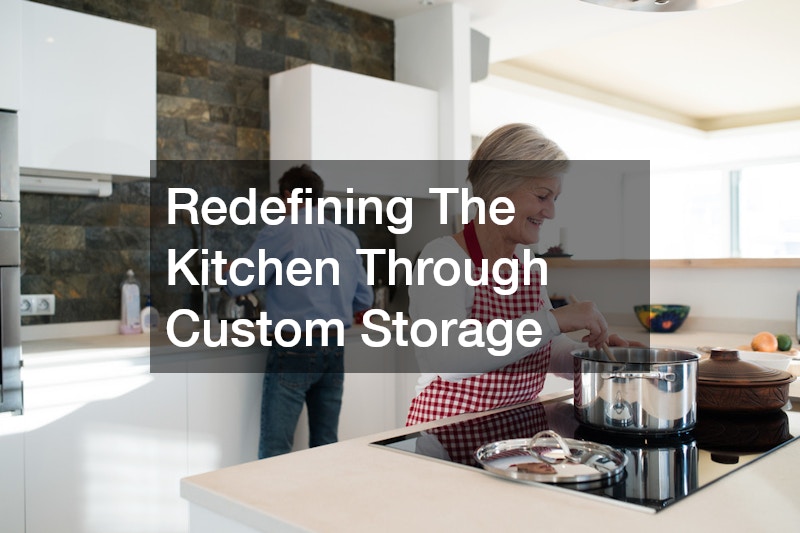
Redefining The Kitchen Through Custom Storage
The kitchen is often described as the heart of the home, acting as a hub for cooking, socializing, and daily organization. Because this space sees so much activity, the storage solutions must be both durable and intuitive. Custom cabinetry has become the preferred choice for homeowners who want to maximize every inch of their floor plan while maintaining a cohesive design language.
Working with a reputable cabinetry company allows for a level of personalization that stock options simply cannot provide. Custom designs can include pull-out spice racks, hidden appliance garages, and deep drawers for heavy cookware. These features reduce clutter on the countertops, creating a serene environment that makes meal preparation more enjoyable. The finish and hardware of the cabinets serve as the primary visual element of the kitchen, setting the tone for the entire house.
When it comes to the actual build, the quality of custom cabinet construction is what determines the longevity of the installation. Techniques such as dovetail joints and soft-close hinges are signs of superior craftsmanship. Choosing high-quality hardwoods or premium plywood over particle board ensures that the cabinets will not warp or sag over time, even in the humid environment of a busy kitchen. Investing in quality millwork is one of the most effective ways to increase the overall resale value of a property.
Creating A Spa Like Atmosphere In The Bathroom
The modern bathroom has moved away from being a purely utilitarian space and toward becoming a private retreat. Personal wellness is now a major influence on bathroom design, with features like rainfall showerheads, soaking tubs, and heated floors becoming standard in luxury renovations. A successful remodel balances these high-end features with practical layouts and water-efficient fixtures.
Partnering with an experienced bathroom remodeler is essential for navigating the technical challenges of wet-room design. Waterproofing, ventilation, and electrical safety are paramount in this environment. A professional can help you choose non-slip tiles and lighting schemes that transition from bright morning task lighting to soft, evening ambiance. This transformation turns a routine activity into a restorative experience.
Storage remains a challenge in smaller bathrooms, which is why selecting the right bathroom cabinets is so important. Floating vanities are popular for creating a sense of openness, while tall linen towers provide ample space for towels and toiletries. By coordinating the cabinet style with the kitchen, you can create a unified aesthetic throughout the home. Using moisture-resistant finishes ensures that the cabinetry remains beautiful despite the daily exposure to steam and water.
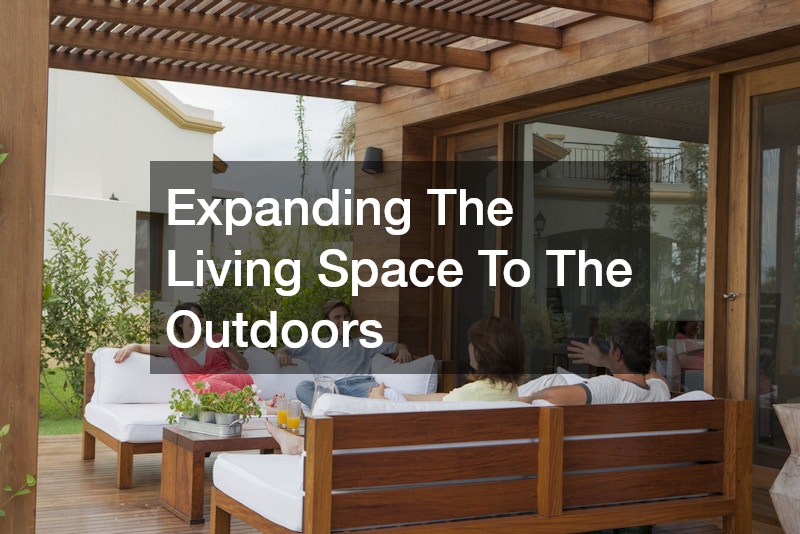
Expanding The Living Space To The Outdoors
The boundaries between indoor and outdoor living have blurred, with many homeowners now viewing their backyard as an extension of their living room. Outdoor kitchens, fire pits, and comfortable seating areas allow for year-round enjoyment of the property. The centerpiece of many outdoor retreats is a well-designed water feature, which provides both recreation and a focal point for the landscape.
Hiring professional swimming pool contractors allows you to integrate a pool seamlessly into the existing topography. Modern pool design emphasizes natural shapes, saltwater systems, and energy-efficient pumps. Beyond the pool itself, the surrounding “hardscape”—including decks, patios, and retaining walls—should be designed to facilitate flow and provide safe access. A well-planned outdoor space not only provides a vacation-like atmosphere at home but also serves as a prime location for social gatherings.
Landscape lighting is another key element of outdoor design. By strategically illuminating trees, paths, and architectural features, you can extend the usability of the space into the night. Soft, warm lights create a welcoming glow that enhances the home’s nighttime curb appeal. Additionally, choosing native plants for the garden reduces water consumption and provides a habitat for local pollinators, making your outdoor oasis environmentally responsible as well as beautiful.
Incorporating Sustainable And Smart Home Technology
Modern design is increasingly focused on sustainability and the integration of technology. A “smart” home is not just about gadgets; it is about using automation to improve efficiency and security. Programmable thermostats, smart lighting systems, and automated window shades can all be controlled from a smartphone, allowing you to manage your home’s energy consumption even when you are away.
Sustainability can also be found in the choice of materials. Recycled glass countertops, bamboo flooring, and reclaimed wood beams are all popular choices for eco-conscious homeowners. These materials add unique texture and history to a space, making it feel more grounded and authentic. Additionally, choosing low-VOC (volatile organic compound) paints and adhesives improves indoor air quality, which is essential for the long-term health of the occupants.
Solar energy is another significant consideration for the modern home. Installing solar panels can drastically reduce reliance on the grid and lower monthly costs. Many roofing professionals now offer integrated solar shingles that blend in with traditional roofing materials, allowing you to harvest energy without compromising the home’s aesthetic. When combined with a battery backup system, these technologies provide a level of energy independence that was once impossible for the average homeowner.
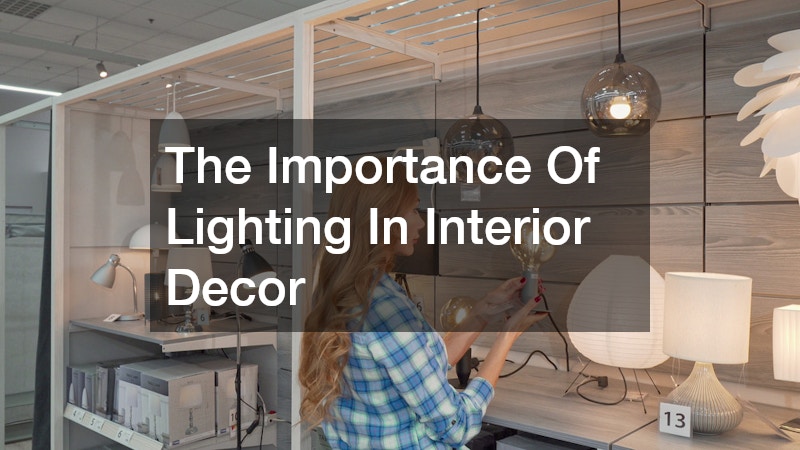
The Importance Of Lighting In Interior Decor
Lighting is often described as the “jewelry” of a room, but its function is far more fundamental. The way a space is lit affects the mood, the perceived size of the room, and even the productivity of the people inside. A successful lighting plan utilizes “layering,” which involves combining ambient, task, and accent lighting to create a dynamic and flexible environment.
Ambient lighting provides the overall illumination for a room, often through recessed cans or large central fixtures. Task lighting is more focused, such as under-cabinet lights in the kitchen or a reading lamp next to a sofa. Accent lighting is used to highlight specific features, such as artwork or architectural details. By using dimmers on all of these layers, you can adjust the brightness to suit the time of day or the specific activity taking place.
Natural light should always be the primary focus of a room’s design. Large windows, skylights, and glass doors not only make a space feel larger but also provide a connection to the outside world. This connection is vital for our circadian rhythms and overall mental health. Window treatments should be chosen to maximize this light during the day while providing privacy and insulation at night. Sheer curtains, for instance, can soften harsh sunlight without completely blocking the view.
Choosing A Timeless Color Palette
Color is one of the most powerful tools in a designer’s arsenal. It can evoke emotions, define spaces, and reflect the personality of the homeowner. While it is tempting to follow the latest trends, choosing a timeless color palette ensures that your home remains stylish for years to come. Neutrals like warm whites, soft greys, and earthy taupes provide a versatile backdrop that can be updated with colorful accessories.
When selecting colors, it is important to consider the “undertone.” A white paint can have blue, pink, or yellow undertones, which will react differently to the light in your specific room. Testing large swatches on different walls and observing them throughout the day is the only way to ensure the color works. Bold colors are best used in smaller doses, such as on an accent wall, in a powder room, or through textiles like rugs and pillows.
Texture is just as important as color when creating a sophisticated palette. Mixing materials like smooth silk, rough linen, polished stone, and warm wood adds depth to a room. A monochromatic room (one color) can be incredibly visually interesting if it utilizes a wide range of textures. This approach creates a sense of “quiet luxury” that feels curated and intentional rather than cluttered or overwhelming.
Furniture Selection And Spatial Flow
The furniture in a home should be a balance of form and function. It is easy to be drawn to a beautiful piece of furniture, but if it doesn’t fit the scale of the room or provide the necessary comfort, it will eventually become a source of frustration. Before purchasing large items, it is helpful to tape out the dimensions on the floor to see how they will affect the flow of traffic.
In open-concept homes, furniture is used to define different “zones.” A sofa can act as a divider between the living area and the dining room, while a large area rug can anchor a conversation space. Maintaining clear pathways is essential for a home to feel organized and calm. A room that is too crowded feels chaotic, while one with too little furniture can feel cold and uninviting.
Investing in high-quality “anchor” pieces—such as a dining table, a sofa, and a bed frame—is a wise long-term strategy. These items see the most use and should be built to last. You can then mix in more affordable or trendier pieces for items like side tables, lamps, and decor. This high-low mix creates a space that feels lived-in and personal rather than like a showroom.

Curating Art And Personal Touches
The final step in home design is the addition of art and personal mementos. These are the items that tell the story of who lives in the home. Art doesn’t have to be expensive to be meaningful; it can be a collection of travel photographs, a vintage poster, or a piece created by a family member. The key is in the presentation. Using consistent framing styles can make a diverse collection of art feel cohesive.
A “gallery wall” is a popular way to fill a large space and showcase multiple pieces at once. When hanging art, a common mistake is to place it too high; generally, the center of the piece should be at eye level (about 57 to 60 inches from the floor). In rooms where people are mostly sitting, such as a dining room or office, art can be hung slightly lower to be enjoyed from a seated perspective.
Personal decor should also include natural elements. Houseplants not only add color and life to a room but also help purify the air. Books, candles, and unique sculptures add layers of interest and invite guests to take a closer look. A well-designed home is never truly “finished”; it is a living entity that grows and changes alongside the people who inhabit it. By focusing on quality, functionality, and personal expression, you can create a home that is truly your own.