
Introduction
Improving a property is most effective when it is approached as a complete system rather than a series of isolated projects. Every component of a home—interior surfaces, exterior materials, landscaping, drainage, and recreational features—affects overall performance, comfort, and long-term value. When upgrades are planned together, homeowners can reduce costs, avoid rework, and achieve a more cohesive final result.
Many property owners begin renovations with a single focus, such as updating interiors or improving curb appeal. However, this often leads to inefficiencies when later projects conflict with earlier decisions. For example, replacing flooring before addressing moisture issues or upgrading exterior siding without considering window efficiency can result in unnecessary expenses. A structured, whole-property strategy helps prevent these issues.
This guide focuses on combining interior improvements, exterior upgrades, and landscape enhancements into one coordinated plan. It explores how materials, timing, and contractor coordination impact outcomes. It also emphasizes long-term thinking—choosing durable materials, planning for maintenance, and aligning projects with seasonal conditions.
By understanding how each system interacts, property owners can make smarter decisions that improve both functionality and aesthetics while maximizing return on investment.
A major advantage of this approach is predictability. Instead of reacting to problems as they arise, homeowners can anticipate needs and schedule improvements in a logical sequence. This reduces disruption to daily life and helps ensure that each upgrade supports the next. It also allows for better budgeting, since costs can be grouped and planned more efficiently across multiple phases.
Additionally, coordinated planning helps avoid design inconsistencies. When flooring, exterior finishes, landscaping, and hardscaping are selected with a unified vision, the property feels more intentional and visually balanced. This not only improves personal enjoyment but also strengthens resale appeal in competitive markets.
Strengthening Interior Surfaces for Long-Term Durability and Style
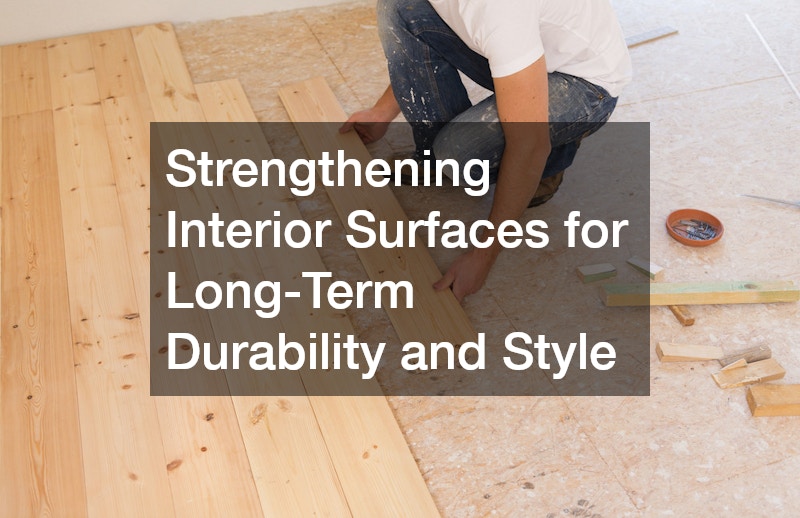
Interior upgrades play a major role in both comfort and property value. Among the most impactful improvements are flooring and window systems, which influence energy efficiency, aesthetics, and long-term durability.
Wood flooring remains a preferred choice for many homeowners due to its timeless appearance and durability. However, selecting the right type of wood and finish is essential. High-traffic areas require harder wood species or engineered alternatives that resist wear and moisture. Proper installation, including subfloor preparation and acclimation, ensures long-lasting performance.
Window replacement is equally important because it directly affects insulation and energy consumption. Older windows often allow air leaks that increase heating and cooling costs. Modern energy-efficient windows improve temperature regulation and reduce strain on HVAC systems.
Key considerations for interior upgrades:
- Choose flooring materials based on room usage and foot traffic
- Ensure proper moisture control before installation
- Select energy-efficient window glazing for insulation benefits
- Match interior finishes for consistent design flow
- Plan installation sequencing to avoid damage or rework
When wood flooring and window replacement are planned together, the result is a more comfortable and energy-efficient home with improved long-term value.
Managing Large-Scale Renovation Waste and Job Site Efficiency
Large property improvement projects generate significant waste, including old materials, packaging, and demolition debris. Efficient waste management is essential to maintaining a safe and organized work environment.
A roll off dumpster is one of the most effective solutions for handling construction and renovation debris. It allows for centralized waste collection, reducing clutter and improving job site safety. Choosing the correct size is important, as underestimating volume can lead to delays or additional costs.
Best practices for waste management include:
- Estimating debris volume before project start
- Selecting a dumpster size appropriate for project scale
- Positioning containers for easy contractor access
- Scheduling timely pickups to avoid overflow
- Separating recyclable materials when possible
Proper waste planning also improves workflow efficiency. Contractors can move freely, materials are easier to organize, and safety hazards are reduced. This is especially important for multi-phase renovations where different trades are working simultaneously.
Protecting and Restoring Exterior Walls and Structural Integrity
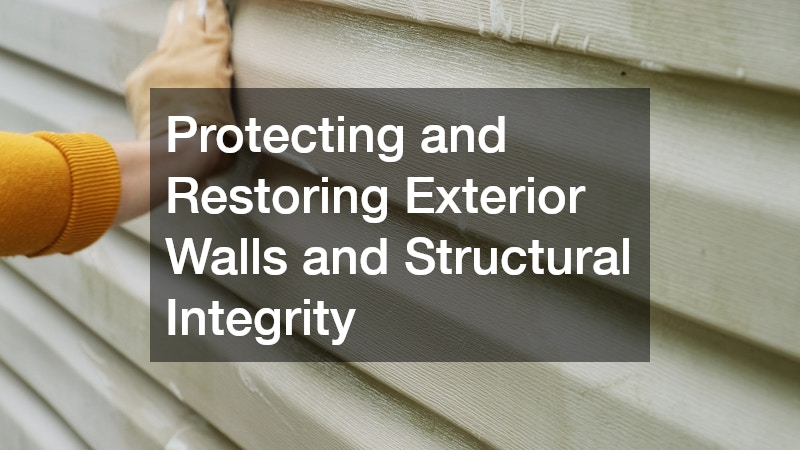
Exterior protection is essential for maintaining structural integrity and preventing long-term damage. Siding serves as a barrier against moisture, wind, and temperature fluctuations, while surrounding vegetation can either support or threaten exterior systems.
Siding repairs should be addressed promptly when damage appears. Cracks, warping, or loose panels can allow moisture to penetrate underlying structures, leading to mold or rot. Regular inspections help identify issues early before they escalate.
Tree maintenance is equally important. Overgrown branches can damage siding, block sunlight, and trap moisture against exterior walls. Strategic trimming improves airflow and reduces risk of physical damage.
Key maintenance strategies:
- Inspect siding seasonally for cracks or gaps
- Repair damaged sections immediately to prevent moisture intrusion
- Trim trees away from roofs and exterior walls
- Remove dead branches that could fall during storms
- Monitor for signs of pest activity in wooded areas
Coordinating siding repairs with tree maintenance ensures better long-term protection and reduces future repair costs.
Designing Outdoor Living Spaces with Long-Term Functionality
Outdoor living spaces have become a central feature in modern property design. They extend usable living areas and improve lifestyle quality, but require careful planning to ensure durability and functionality.
A swimming pool builder plays a key role in designing and constructing safe, efficient pools that integrate with the surrounding landscape. Important considerations include drainage, safety barriers, and long-term maintenance requirements.
Screen porch enclosures provide additional comfort by creating protected outdoor spaces that reduce exposure to insects, weather, and debris. They also extend seasonal usability, making outdoor areas functional year-round.
Planning considerations include:
- Evaluating yard layout and drainage before installation
- Ensuring compliance with safety regulations and permits
- Selecting materials that withstand local climate conditions
- Designing for both recreation and relaxation
- Integrating lighting and accessibility features
When pools and enclosures are designed together, the result is a seamless outdoor environment that enhances both usability and property value.
Creating a High-Performance Landscape for Curb Appeal and Health
Landscaping is not just about aesthetics—it plays a major role in property health and maintenance. Proper landscape design can reduce pest activity, improve soil quality, and enhance curb appeal.
Pest control is an essential part of maintaining a healthy outdoor environment. Unmanaged vegetation, standing water, and organic debris can attract insects and rodents. Regular treatment and prevention strategies help maintain balance.
Mulch suppliers provide materials that improve soil health, regulate temperature, and retain moisture. However, improper mulch application can attract pests if not managed correctly.
Best practices include:
- Applying mulch at appropriate depth to avoid pest buildup
- Using pest-resistant landscaping designs
- Removing debris and standing water regularly
- Selecting mulch types suited to plant and soil conditions
- Scheduling seasonal pest control treatments
A well-managed landscape creates a healthier environment and reduces long-term maintenance challenges.
Improving Access, Functionality, and Exterior Hardscaping
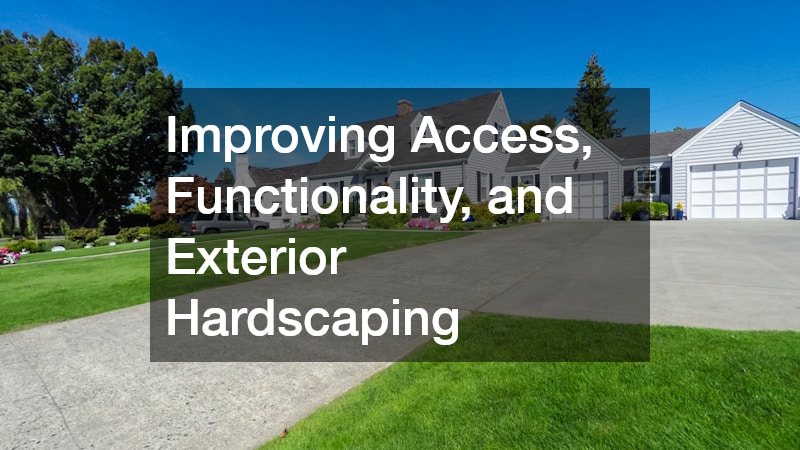
Driveways and hardscaping elements play a critical role in both functionality and curb appeal. A well-designed driveway improves accessibility, drainage, and overall property aesthetics.
Paver driveway services offer durable and customizable solutions that can withstand heavy use and varying weather conditions. Unlike poured concrete, pavers allow for easier repairs and greater design flexibility.
Key considerations include:
- Proper base preparation for long-term stability
- Selecting paver materials suited to climate conditions
- Ensuring correct slope for drainage management
- Designing layouts that complement home architecture
- Planning for future maintenance and replacement needs
Well-installed paver systems improve both visual appeal and structural performance, making them a valuable long-term investment.
Streamlining Renovation Logistics and Material Coordination
Efficient renovation requires more than just waste removal—it involves coordinated logistics across all phases of construction. Proper planning ensures materials, labor, and debris management work together seamlessly.
A roll off dumpster becomes even more valuable when integrated into a broader logistics strategy. It allows for continuous cleanup during multi-stage projects, preventing delays caused by clutter or restricted access.
Additional efficiency strategies include:
- Coordinating material deliveries with project phases
- Assigning designated storage zones on-site
- Scheduling demolition and installation in logical order
- Minimizing overlap between different contractor teams
- Maintaining clear access paths for safety and efficiency
These practices help keep projects on schedule and reduce unnecessary downtime.
Building a Unified Exterior Improvement Strategy
Exterior systems work together to protect the home from environmental stress. When siding and windows are upgraded separately without coordination, inefficiencies can arise.
Integrating siding repairs with window replacement improves insulation, reduces air leakage, and enhances overall appearance. It also ensures materials align properly for a cohesive exterior design.
Key integration strategies:
- Matching window frames with siding materials for consistency
- Sealing all joints to prevent air and moisture intrusion
- Upgrading insulation during combined installations
- Scheduling projects together to reduce labor costs
- Conducting post-installation inspections for performance
A unified approach strengthens the building envelope and improves long-term efficiency.
Additional planning also helps reduce seasonal exposure risks. Completing exterior upgrades before peak winter or storm seasons minimizes the chance of moisture intrusion and structural stress. Coordinated material selection further ensures that expansion, contraction, and weather resistance are properly balanced across all installed components. This leads to fewer long-term repairs and more stable performance throughout the year.
Enhancing Property Value Through Strategic Outdoor Investments
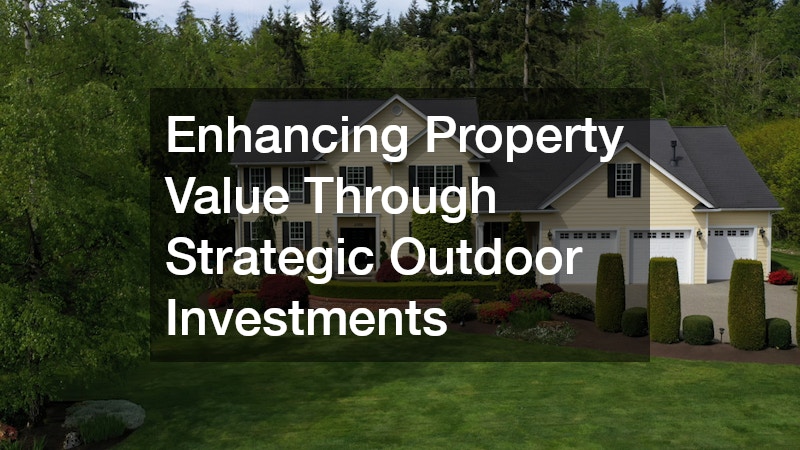
Outdoor investments significantly influence property value and lifestyle appeal. Pools and driveways are among the most visible and impactful features of a property.
A swimming pool builder can create recreational spaces that enhance usability and luxury appeal. Meanwhile, professionally installed paver driveway services improve first impressions and long-term durability.
Value-enhancing strategies include:
- Designing outdoor spaces with resale appeal in mind
- Balancing luxury features with practical functionality
- Ensuring cohesive design between pool and driveway areas
- Selecting low-maintenance materials for longevity
- Planning for seasonal usability and climate conditions
When combined strategically, these features significantly elevate property value.
Long-term success also depends on maintenance planning from the beginning. Including access points for pool servicing, proper drainage systems around driveways, and durable edging materials ensures that outdoor investments remain functional and visually appealing for years. Thoughtful lighting design and landscaping integration can further enhance usability while improving nighttime safety and curb appeal.
Optimizing Landscaping for Sustainability and Long-Term Maintenance
Healthy landscapes require ongoing maintenance to balance aesthetics, safety, and environmental health. Trees and pest control systems must be managed together to prevent structural and ecological issues.
Tree services ensure proper pruning, removal of hazardous branches, and long-term plant health. Combined with pest control, they create a safer and more sustainable outdoor environment.
Key maintenance practices:
- Regular tree inspections for disease or instability
- Integrated pest management strategies
- Seasonal pruning and trimming schedules
- Monitoring soil and plant health conditions
- Preventing overgrowth near structures
A balanced landscape improves both safety and property appearance.
Coordinating Interior and Exterior Upgrades for Maximum Efficiency
Successful property improvement depends on coordination. Interior and exterior projects must be scheduled in a way that minimizes disruption and maximizes efficiency.
Key coordination strategies include:
- Sequencing projects based on structural priorities
- Avoiding overlap between high-impact trades
- Managing budgets across multiple improvement areas
- Communicating clearly with all contractors
- Tracking progress across all phases of work
A coordinated approach reduces delays, improves quality, and ensures consistent results.
Conclusion
A successful property improvement strategy is built on integration, planning, and long-term thinking. Rather than treating each project independently, homeowners benefit most when upgrades are viewed as part of a connected system. Every improvement—from interior surfaces to outdoor structures—contributes to overall performance, comfort, and value.
When projects such as flooring, landscaping, structural repairs, and outdoor living enhancements are aligned, the result is greater efficiency and reduced long-term cost. Coordinating timelines, materials, and contractors ensures smoother execution and higher-quality outcomes.
Sustainability also plays a key role. Choosing durable materials, maintaining landscapes, and planning for future maintenance helps protect investments over time. Properties that are well-maintained not only perform better but also retain higher market value.
Ultimately, a fully integrated approach transforms a property into a more functional, efficient, and enjoyable space. With careful planning and consistent maintenance, homeowners can achieve lasting improvements that enhance both lifestyle and long-term investment returns.
Equally important is adaptability. As needs change over time—whether due to family growth, lifestyle shifts, or evolving design trends—a well-structured property plan allows for easier updates without major disruption. Homes that are built with flexibility in mind can accommodate future improvements more smoothly, reducing the need for costly overhauls.
Finally, working with experienced professionals across different specialties ensures that each part of the project is completed correctly and efficiently. From structural elements to landscaping and finishing details, expert input helps prevent mistakes and improves overall results. When homeowners combine professional guidance with thoughtful planning, they create properties that are not only visually appealing but also resilient, efficient, and built for the long term.